Ethiopia · Field surveys in Oromia and Sidama · Central Rift Valley (candidate site) · 2025
Ethiopia: shade and power for a land of drought
Feasibility study
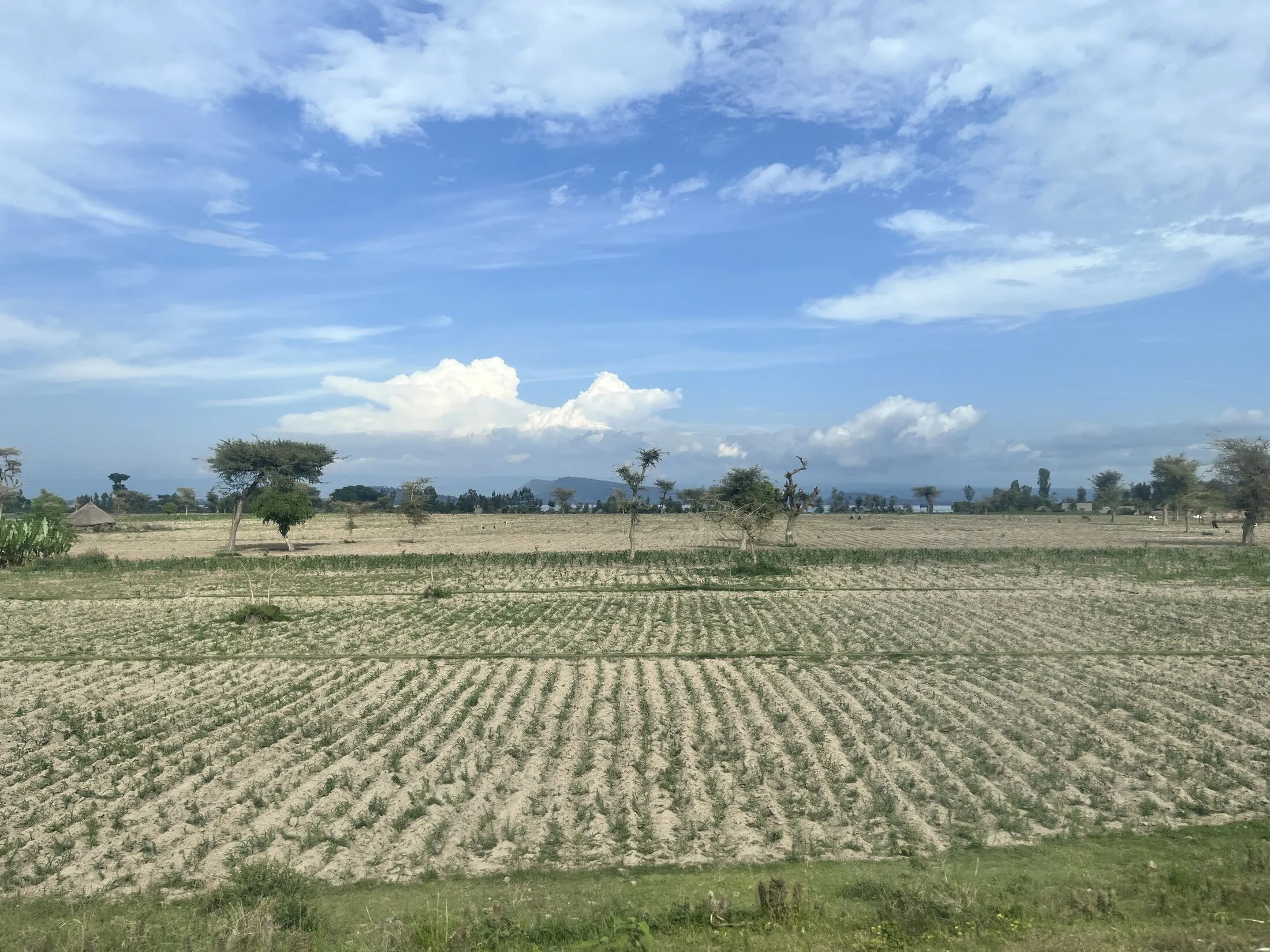
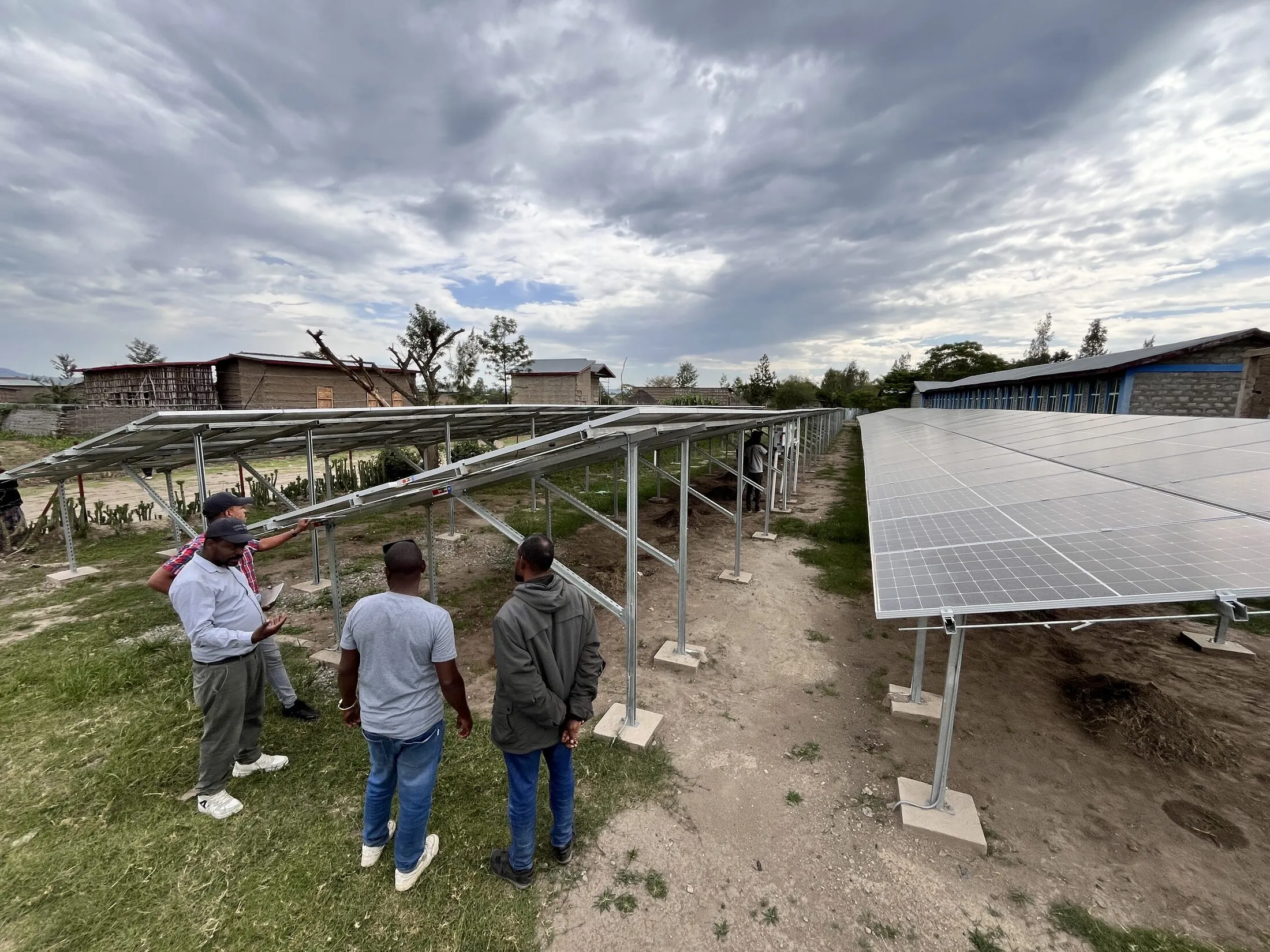
Candidate farmland in Oromia, field survey (2025)
Ethiopian farming depends on rain, and the rain grows less reliable each year. Droughts run longer, and much of the tomato and vegetable harvest is lost between field and market for want of cold storage. On land with too much sun and too little water, agrivoltaics cuts evaporation with its shade and runs irrigation and cold storage with its electricity. In GGGI Ethiopia’s project on integrating agrivoltaics for climate-resilient agriculture and the energy transition, the ENVELOPS consulting team carried out the detailed feasibility study from April to October 2025.
What the study found
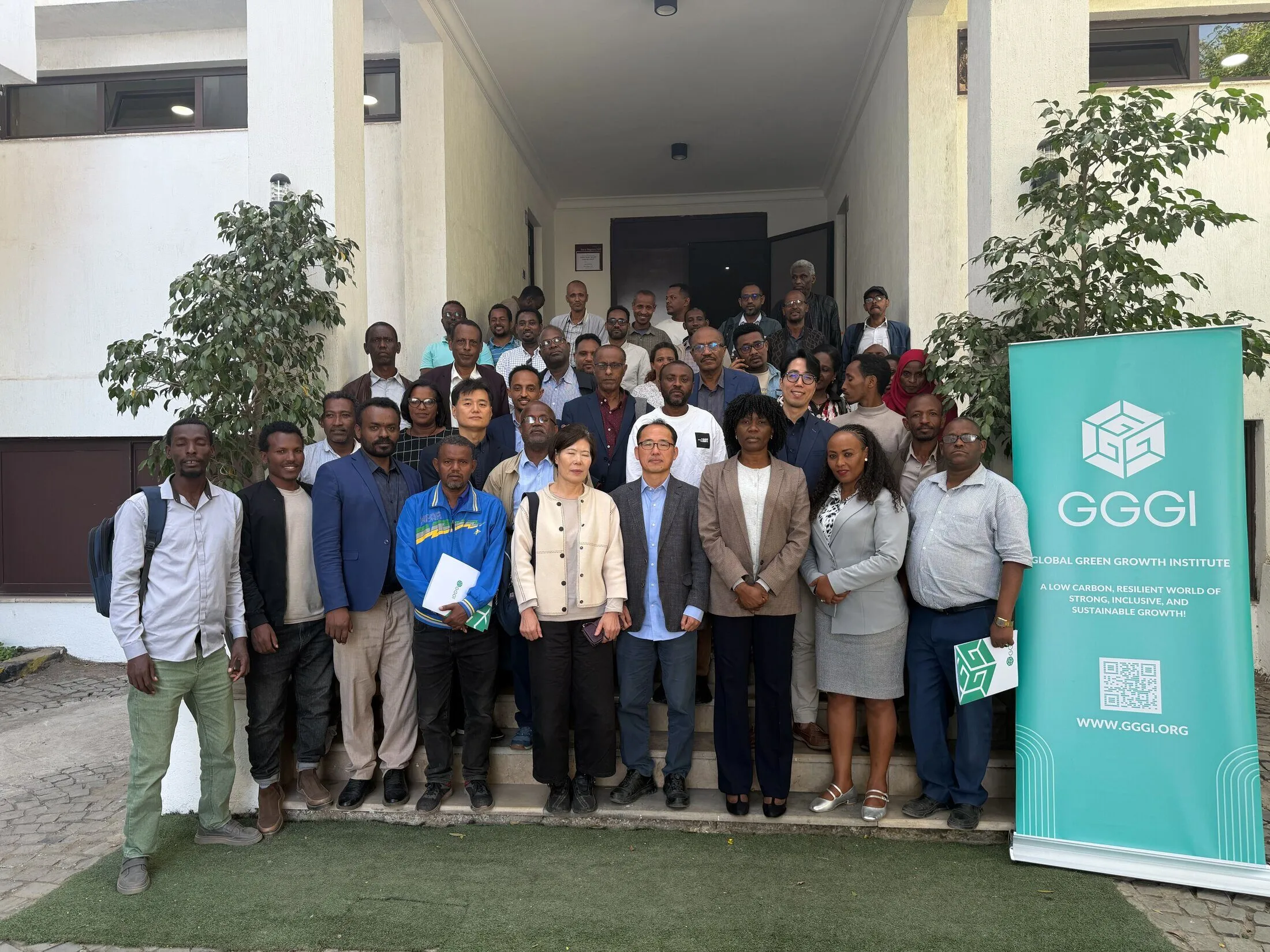
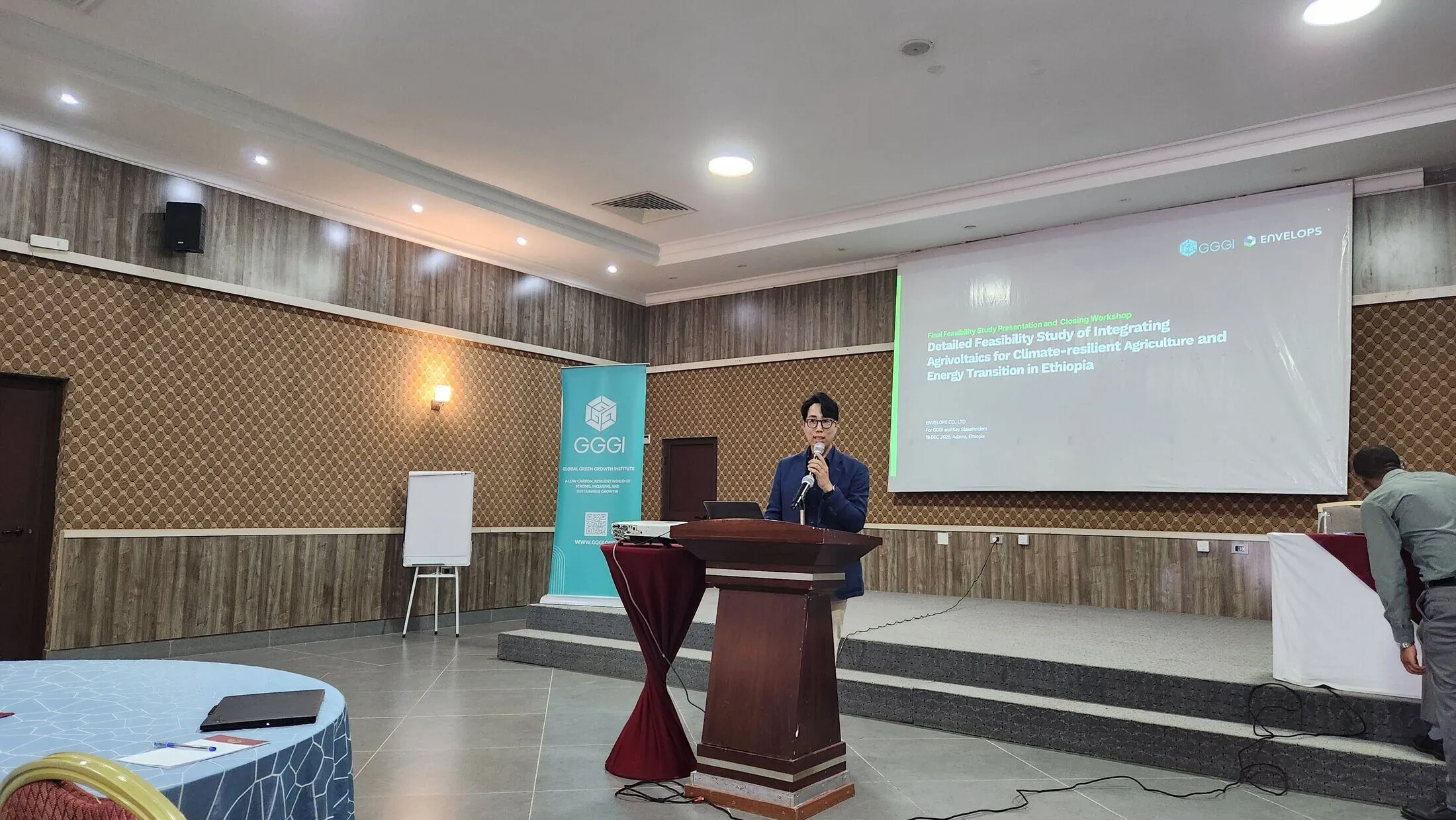
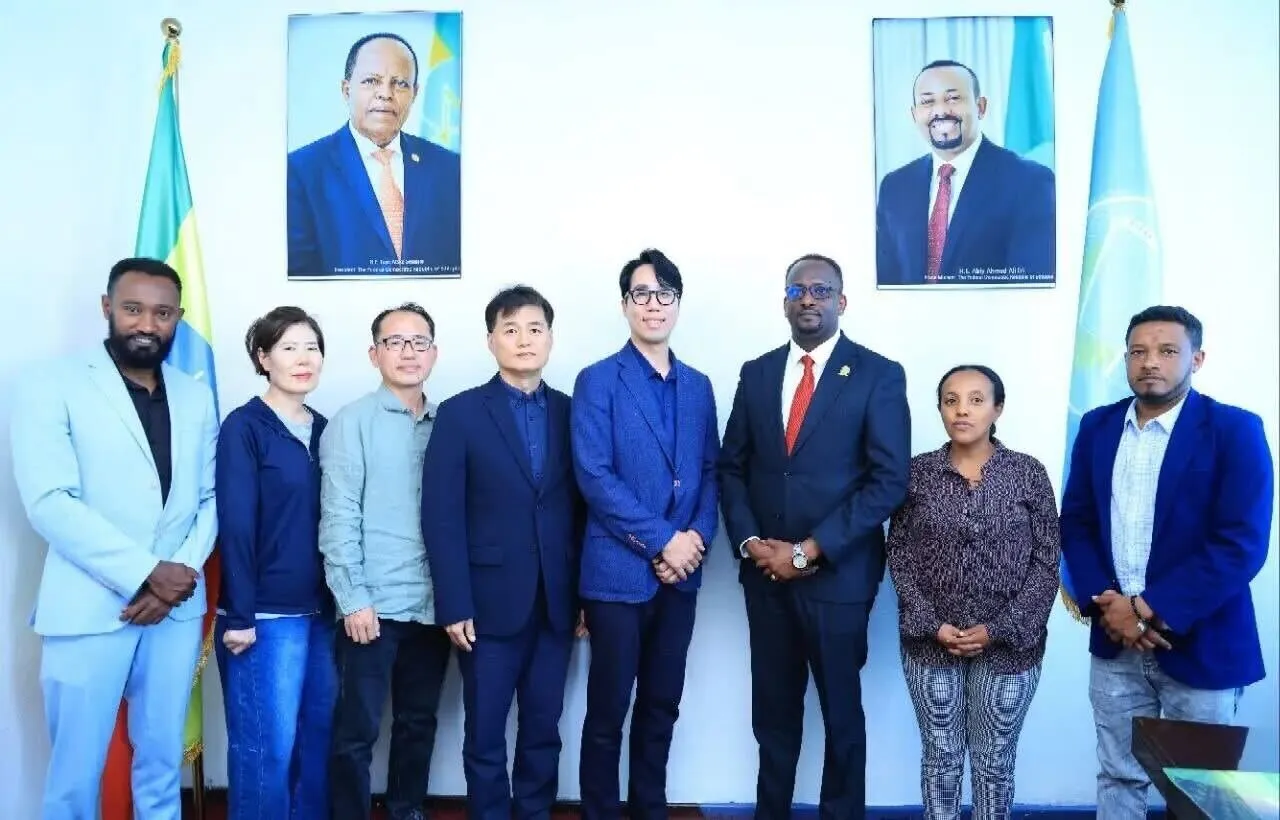
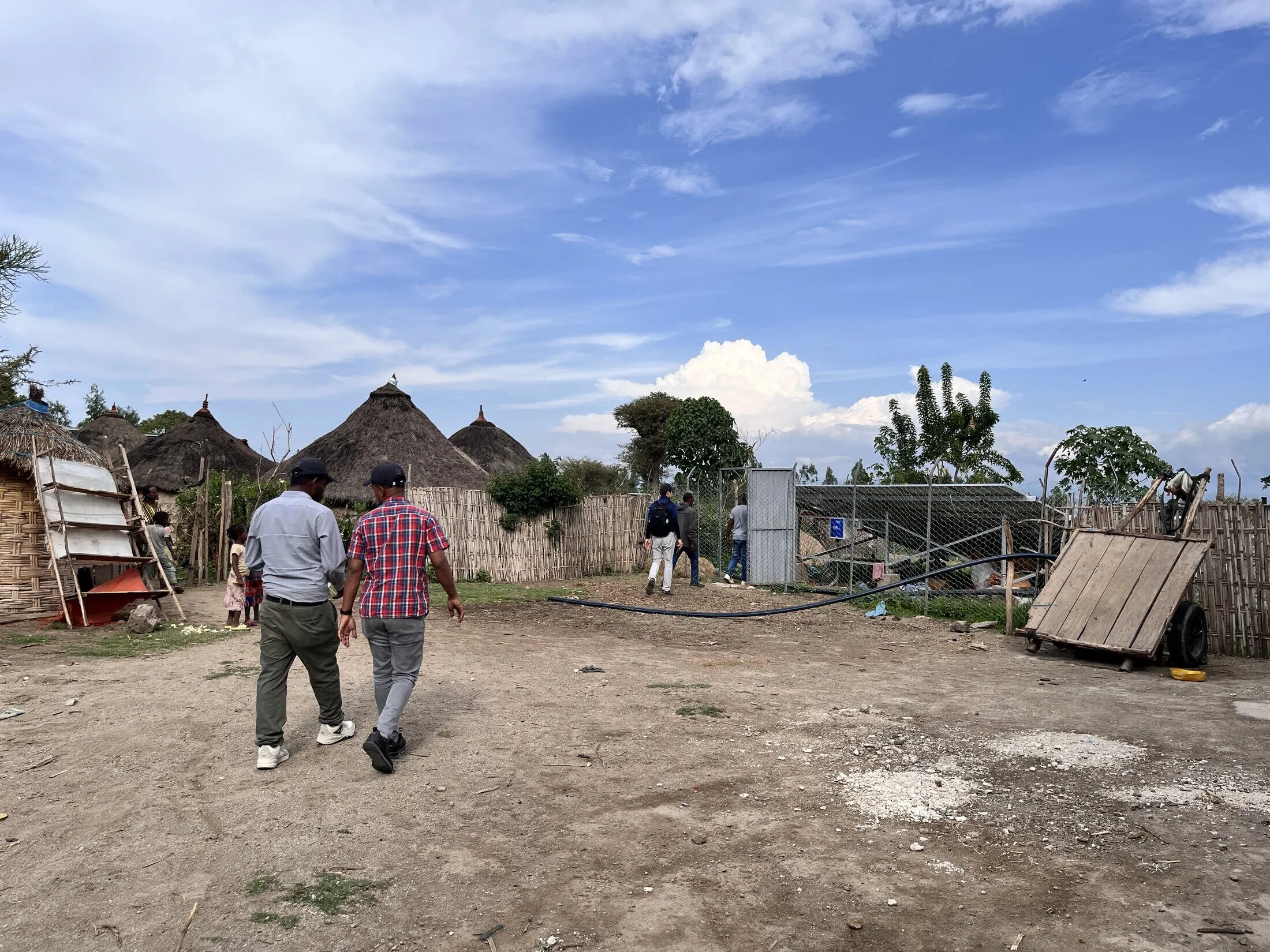
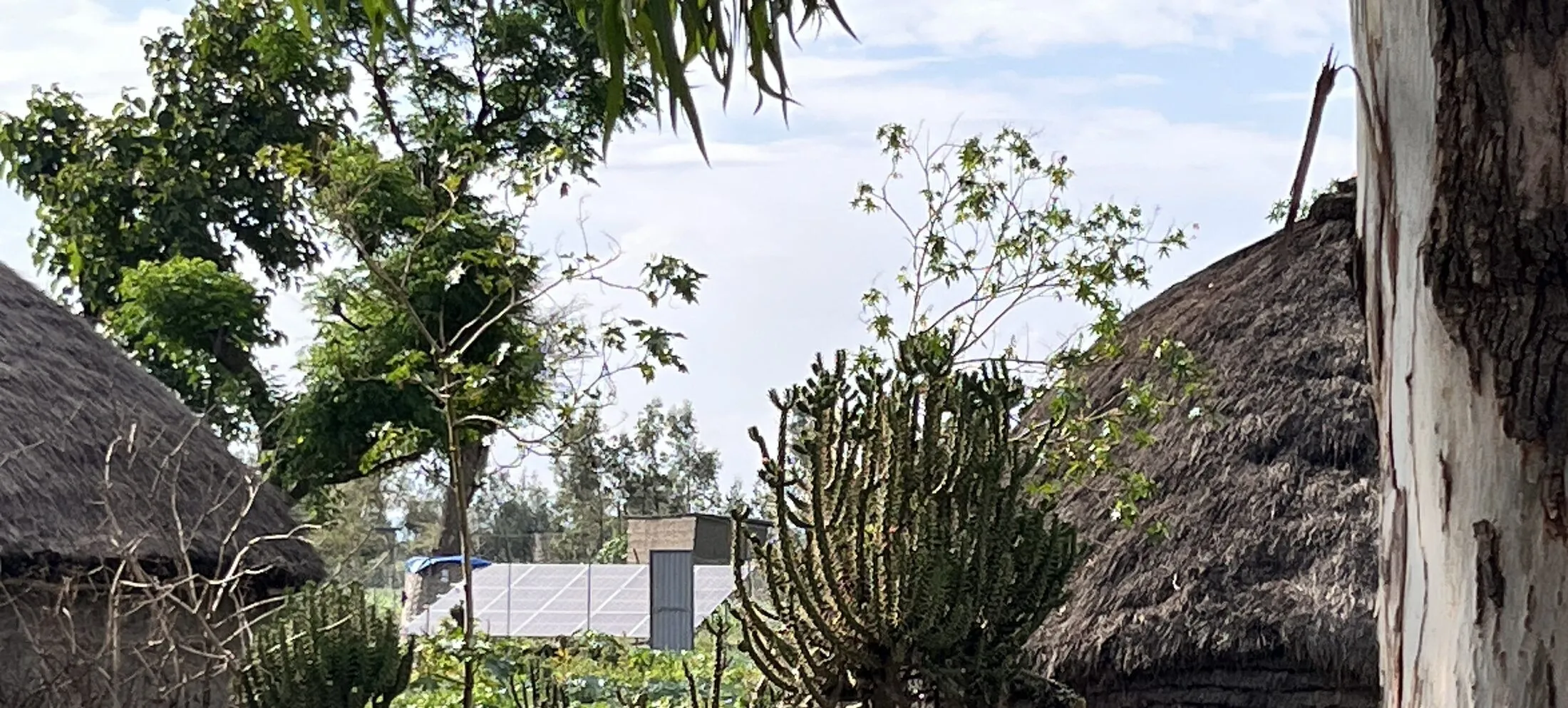
The team walked candidate sites at Abijata in Oromia and Hawassa in Sidama and assessed farmland, water and the grid. The closing workshop in December 2025 confirmed technical, financial, social and environmental feasibility. The Central Rift Valley, with its strong sun, irrigable land and water, was put forward as the leading site, and Ethiopia’s Ministry of Agriculture committed to embedding agrivoltaics in its implementation strategies. The deliverables are a roadmap for the pilot and scale-up, and a concept note for investors.
Next
The study is done and the pilot comes next: the first nexus of agrivoltaics, cold storage and irrigation on fields of wheat, coffee and tomato.
- Country
- Ethiopia · Field surveys in Oromia and Sidama · Central Rift Valley (candidate site)
- Year
- 2025
- Crops
- Wheat, coffee, tomato and others (crops assessed in the study)
- ENVELOPS role
- Development & feasibility, Consulting
- Partners
- GGGI (Global Green Growth Institute)
- Funders
- GGGI (Global Green Growth Institute), Korea Green New Deal Trust Fund (KGNDTF)
- Status
- Feasibility study
Source · related document