Skip to content

ENVELOPS · agrivoltaics: develop, design, operate

We develop
bankable agrivoltaics.

Farmland kept, income added. From feasibility and climate finance to design, construction and data-driven operation, one team, working with GGGI, KOICA and Korean utilities in 10 countries.

Why design and operation matter

Putting panels up is the easy part. The hard part is keeping farming alive underneath them, and proving it for the whole project term.

  • Shading and structure matched to the crop

    Layout, clearance and post spacing change with shade tolerance. If machinery cannot get in, farming does not continue.

  • Operating data is the licence

    Korea's new Agrivoltaics Act extends the term to up to 23 years and checks at every extension that farming continues. Generation, crop and microclimate data are the evidence.

  • Documents lenders can read

    Feasibility, financial model, safeguards, risk allocation. Institutions decide on documents, not persuasion.

Solutions

From development to operation. One team.

Develop

Feasibility · Finance · Safeguards

Feasibility studies, project-finance models, environmental and social safeguards, investment concept notes, prepared to the standard that institutions and lenders take straight into review.

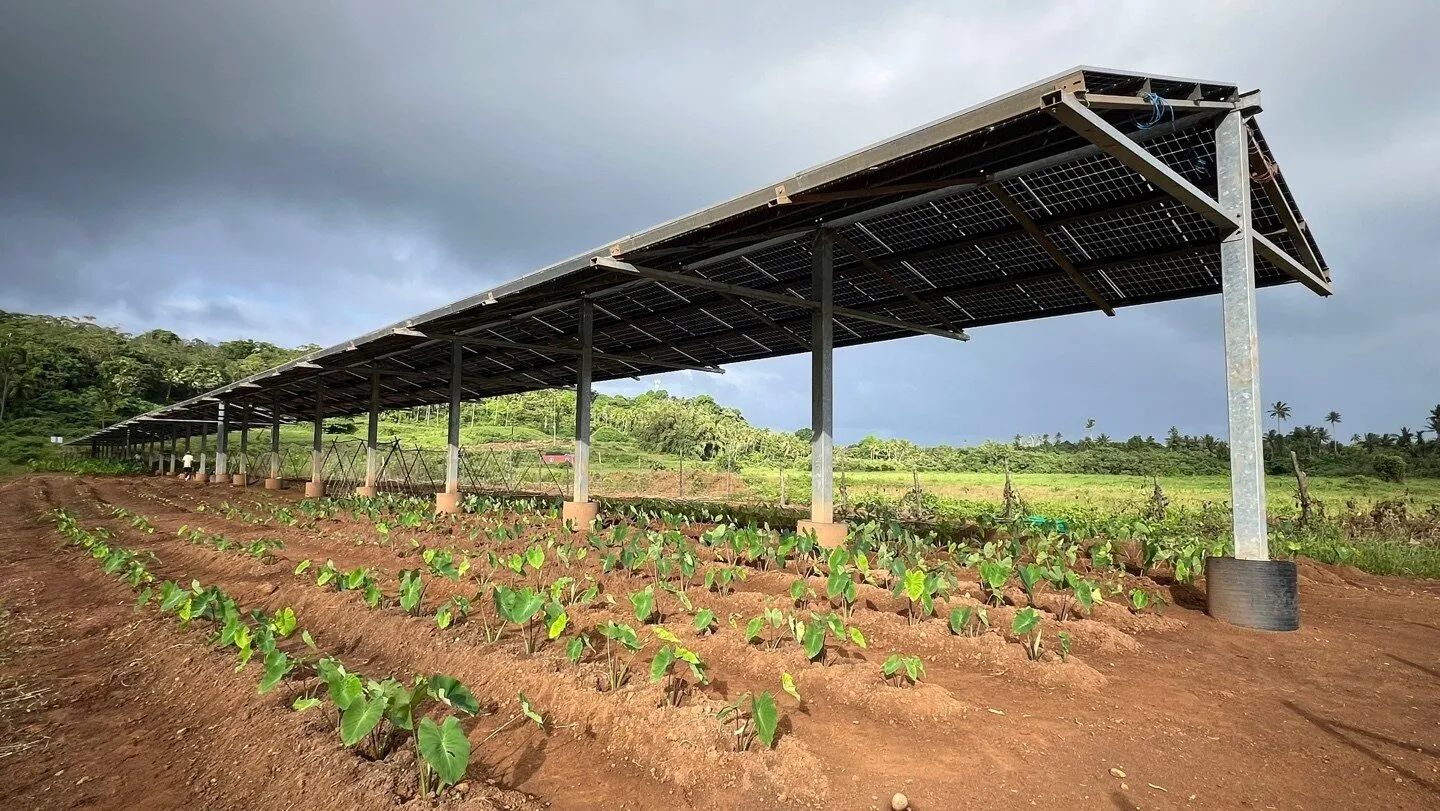
Fiji 4 MW in development (GCF approval 2020, 25-year PPA 2023) · GGGI Rwanda and Ethiopia · Uzbekistan pre-feasibility
Design & Build

Crop-specific shading · APV structures

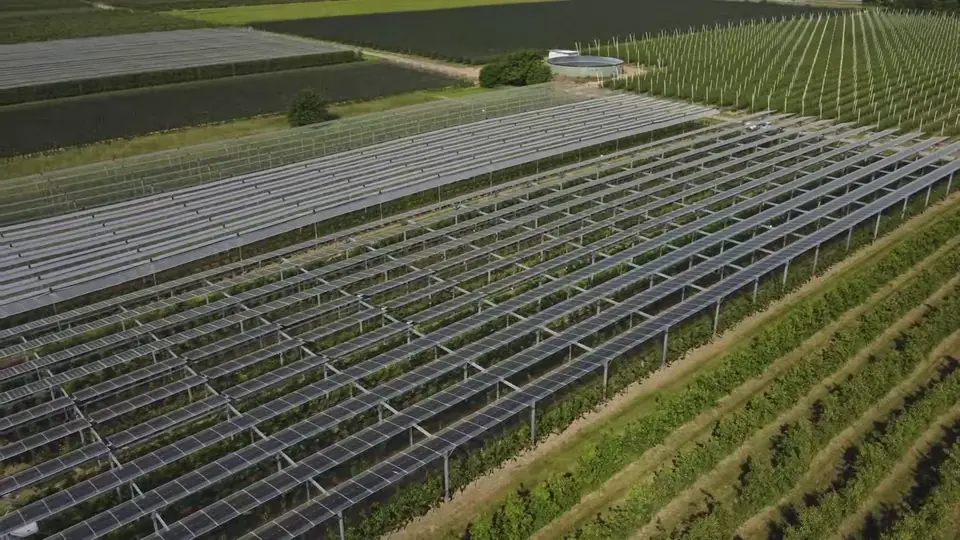
Shading per crop, machinery paths and work safety are built into the design. Keeping farming viable is the regulatory requirement. It is also where most of the engineering is.

Naju · Bogor · Da Lat · Jamaica · Chiang Mai

Operate

SAMS data-driven operation · farming verification

We monitor generation, crops and microclimate and produce the farming-verification and settlement reports required for the whole project term. We can also run the farming on your behalf.

Agronomy 2026 · 3 patents · CTCN ASIA25

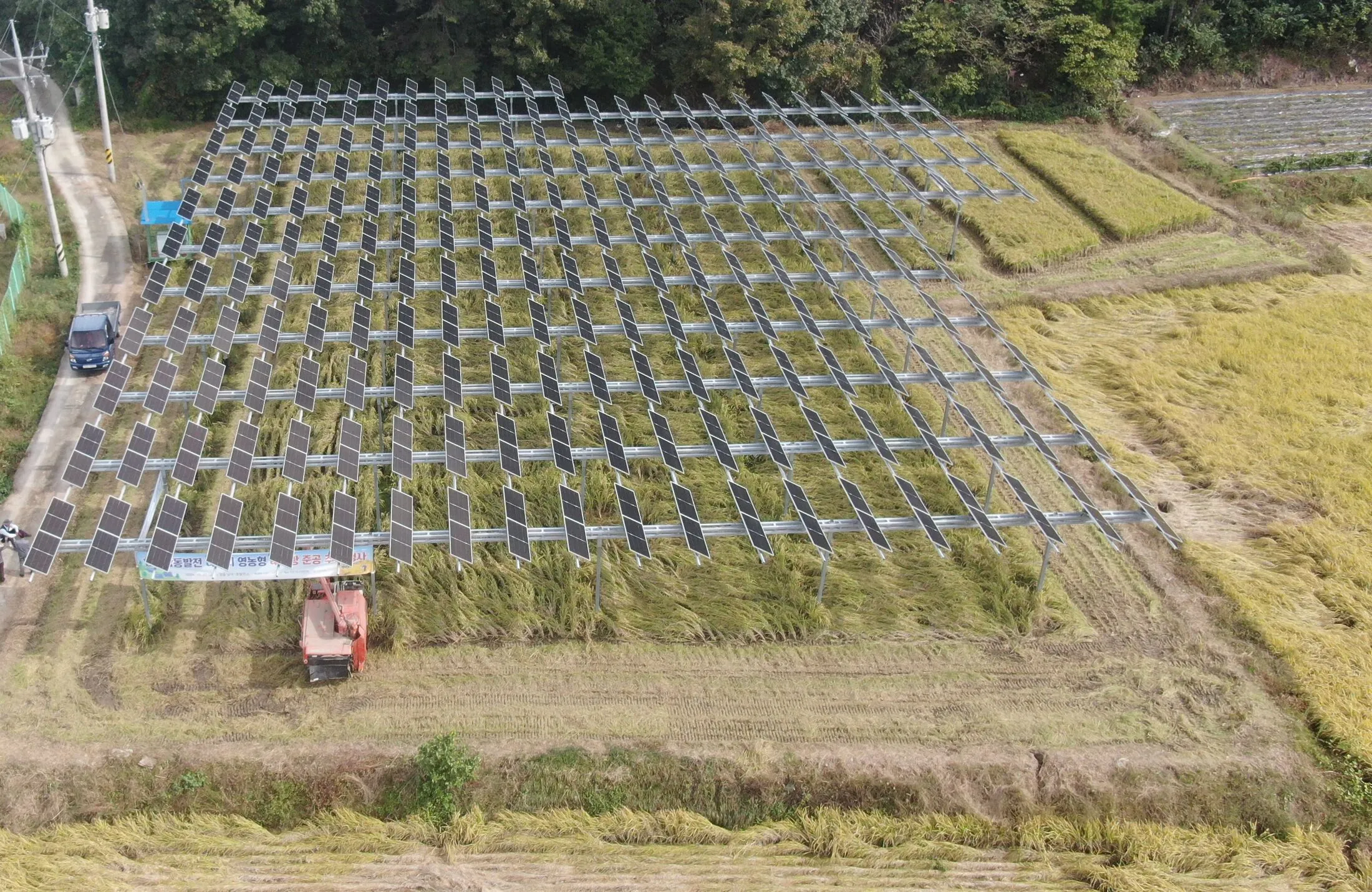
Namseok agrivoltaic plant, Naju, Korea, from the air, with a combine harvesting rice beneath the panels
Namseok No. 1, Naju, Korea · rice · first harvest after commissioning, October 2024 (drone)

Smart Agrivoltaic Management System

SAMS. Data-driven operation that keeps farming viable.

Irradiance, temperature, humidity, wind, soil moisture and generation data are combined with crop-growth models to balance shading against generation. At the Bogor dynamic pilot, SAMS sets the panel angles.

  • Irradiance
  • Temperature · humidity
  • Wind
  • Soil moisture
  • Generation
  • Panel angle

Once the crop has the light it needs, the panels follow the sun and generate.

Shades the midday peak to lower leaf temperature and light stress.

Sheds rain toward the furrows, limiting crop damage and soil loss.

Lies flat so the wind passes over and the structure carries less load.

A steep tilt sheds snow before it builds up over the crop.

Closes flat at night to soften radiative cooling and frost damage.

More shade cuts evapotranspiration and holds soil moisture.

Angles are illustrative. On site, SAMS sets them from the crop, the structure and local weather.

Nexus

One plant, the whole farm.

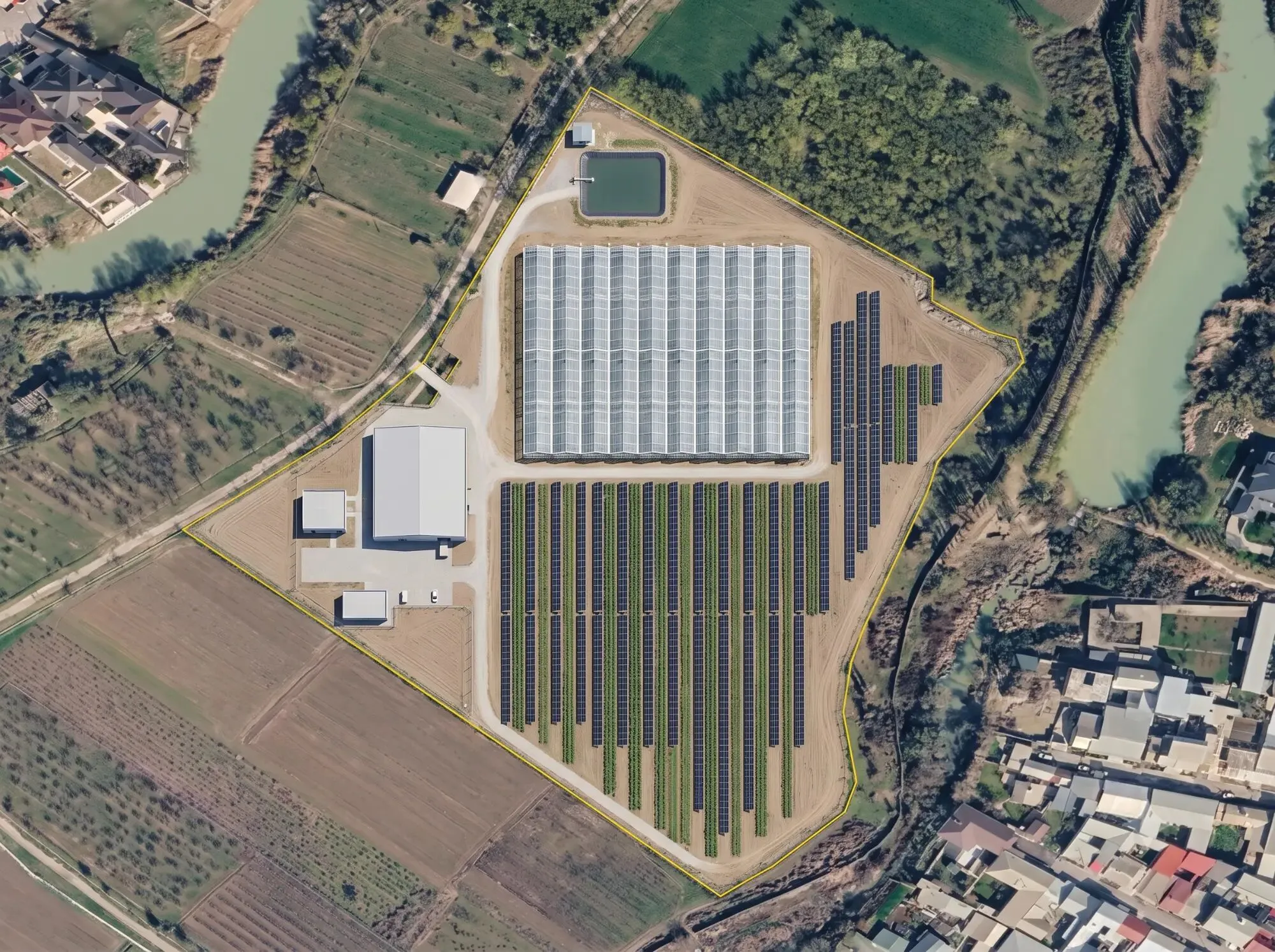
Electricity from an agrivoltaic plant runs the smart farm, irrigation, cold storage, processing and transport. A farm microgrid that works where the grid does not: the core business model of ENVELOPS.

Rendering of the planned Tashkent nexus site in Uzbekistan: agrivoltaic rows, greenhouses, reservoir, cold storage and processing, control room, charging
  1. 1

    Smart agrivoltaics

    panel rows over cotton, angles set by SAMS

  2. 2

    Smart-farm greenhouses

    hydroponics on less water

  3. 3

    Reservoir and smart irrigation

    pumps and supply, automated

  4. 4

    Cold storage and processing

    less post-harvest loss, value added

  5. 5

    Storage and control room

    a microgrid with or without the grid

  6. 6

    EV charging

    transport on renewables

Rendering of the planned nexus site in Tashkent, Uzbekistan. The numbers mark where each component is planned.

Research, patents, talks

Published, patented, presented

  • 2026.01

    Bogor (Indonesia) agrivoltaics research published in Agronomy (2026, 16(1):116): under about 35% less incident radiation, soybean yield rose 106% in the wet season and 17% in the dry season

    Source · Agronomy (DOI)

  • 2026.06

    Speaker at the ADB Asia Clean Energy Forum 2026 (Manila) deep-dive workshop: 'One Land, Triple Value: How AI-Enabled Agrivoltaics Create Sustainable Rural Income in Asia'

    Source · ADB ACEF speaker page

  • 2026.07

    Presented technology status and roadmap at the Agrivoltaics Future Forum 2026 (National Agricultural Museum, Suwon)

    Source · Food and Climate (organiser)

  • 2026.08

    Ovalau (Fiji) 200 kW pilot study published in Agronomy (2026, 16(8):831): under about 60% shade, lettuce yield rose 54% and taro 14%

    Source · Agronomy (DOI)

Company

Since 2018, in 10 countries.

Our name holds energy, the environment and development, and read aloud it says envelopes. As an envelope carries good news, each of our projects carries electricity from farmland, a harvest kept and income for the village. Since 2018 we have delivered agrivoltaic projects and feasibility studies in Korea, the Pacific, Southeast Asia, Central Asia, Africa, the Caribbean and Australia.

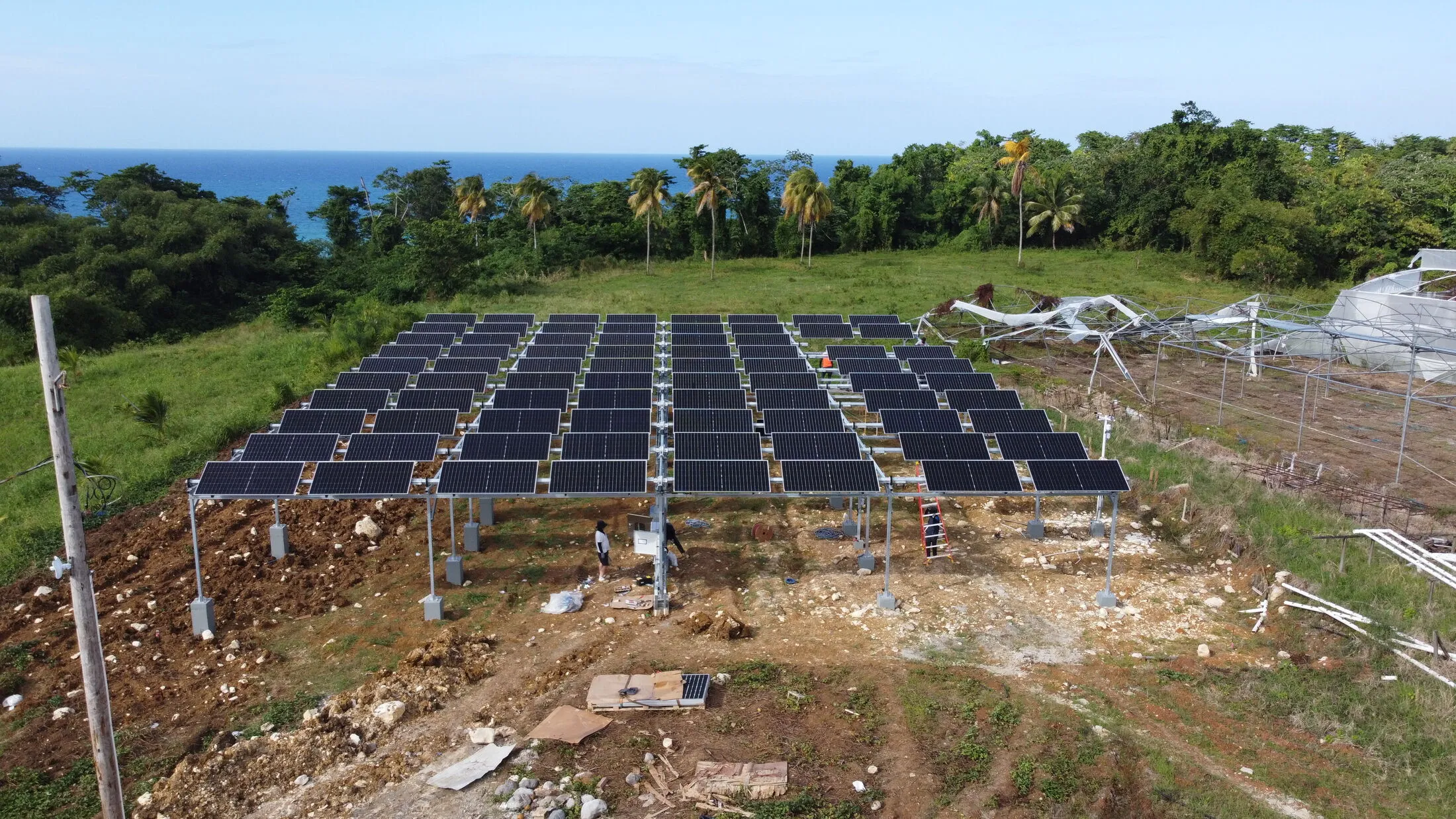
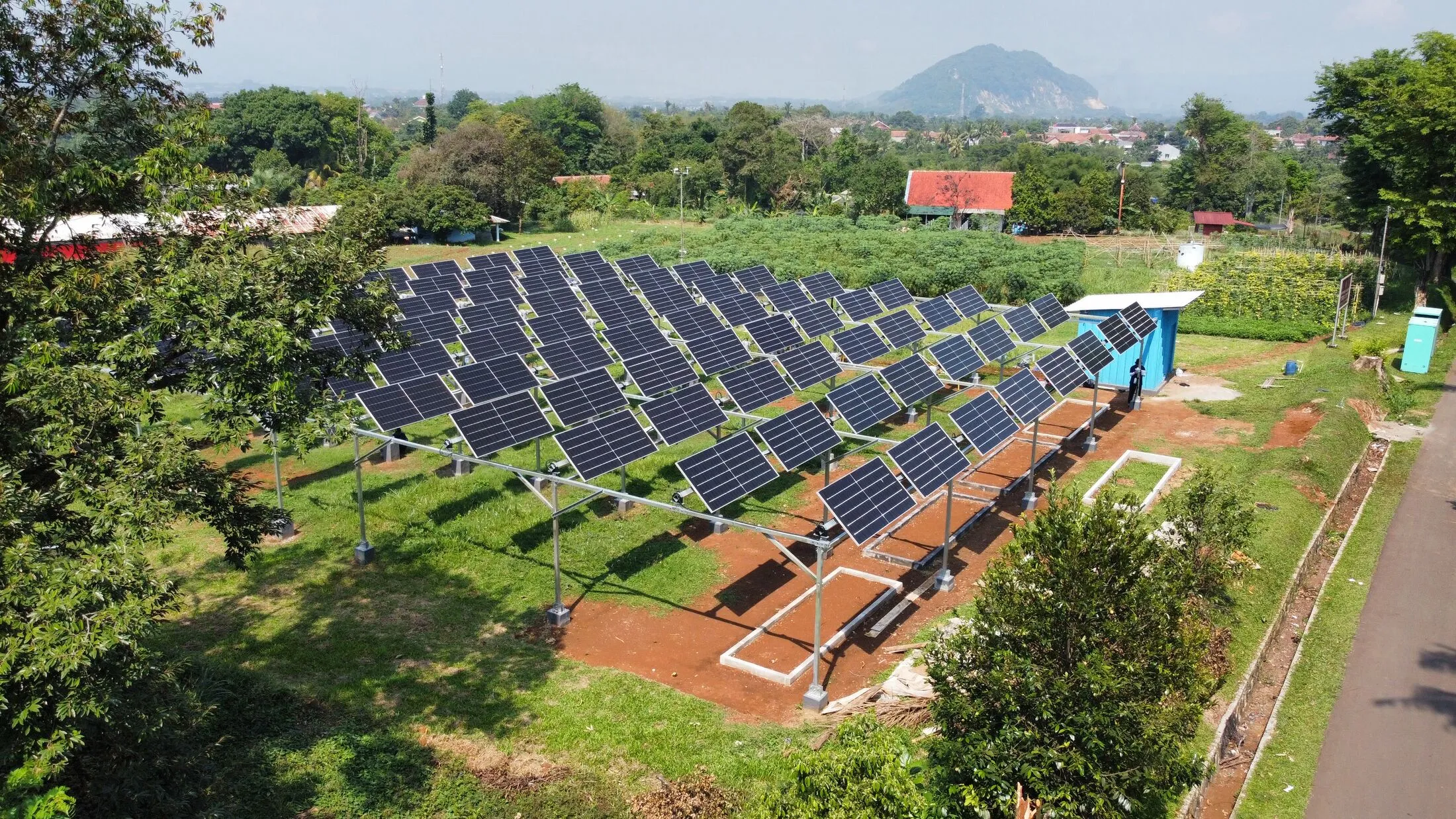
CASE 50 kWp dynamic agrivoltaic plant, Jamaica, from above

CASE, Jamaica · 50 kWp dynamic agrivoltaics · commissioned October 2025

Tell us about your project.